Holiday Breads Around the World: A Delicious Look at Global Traditions (and How They Inspire Everyday Baking)
Across nearly every culture, the holiday season is marked by one beautiful ritual: freshly baked bread. Some breads are airy and towering, some are braided and fragrant, and some are dense with fruit and spice.
But they all carry the same elements - themes of celebration, family, and warmth.
Even if you’re not planning to make these breads from scratch this year, exploring them can spark ideas for your own home baking. Many of the flavors, techniques, and aromas used around the world show up in cozy, accessible bakes you can make today.
Let’s take a trip through some of the world’s most iconic holiday breads, and let’s take a look at what they can teach us in the kitchen.
Panettone — Italy
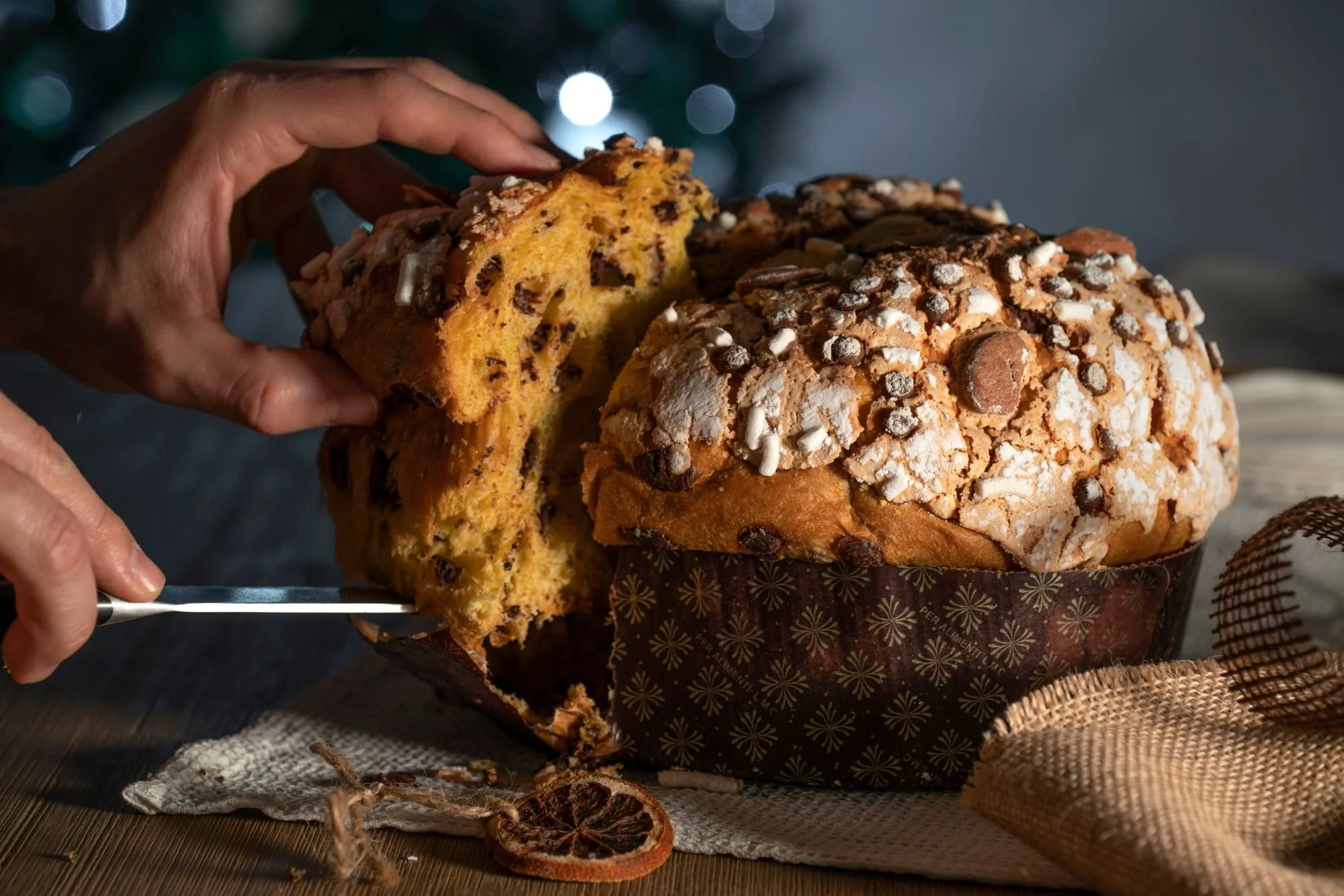
A freshly cut slice of Italian panettone — the towering, slow-risen holiday bread famous for its buttery crumb, citrus aroma, and festive mix-ins.
If there’s one holiday bread that feels like a celebration in itself, it’s Italy’s iconic panettone. Towering, golden, and impossibly airy, panettone is a sweet, enriched dome-shaped bread studded with candied citrus and raisins. The texture is feather-light, almost cake-like, thanks to a long fermentation and meticulous shaping that Italian bakers have perfected over generations.
Though it’s enjoyed worldwide today, panettone holds a special place in Italian holiday traditions. Boxes of beautifully wrapped panettone appear in homes, workplaces, and gatherings throughout December — gifted to friends, shared after meals, or enjoyed with espresso or a glass of sweet wine. In Italy, it’s not just a dessert; it’s a symbol of generosity, craftsmanship, and the joy of gathering, embodying the festive spirit from the first slice to the last tender crumb.
What we can take from it:
Panettone is all about depth of flavor and slow fermentation. While you may not tackle a multi-day rise at home, the idea of adding citrus zest or dried fruit to muffins or quick breads is an easy way to channel the same festive energy.
Rosca de Reyes — Mexico & Latin America
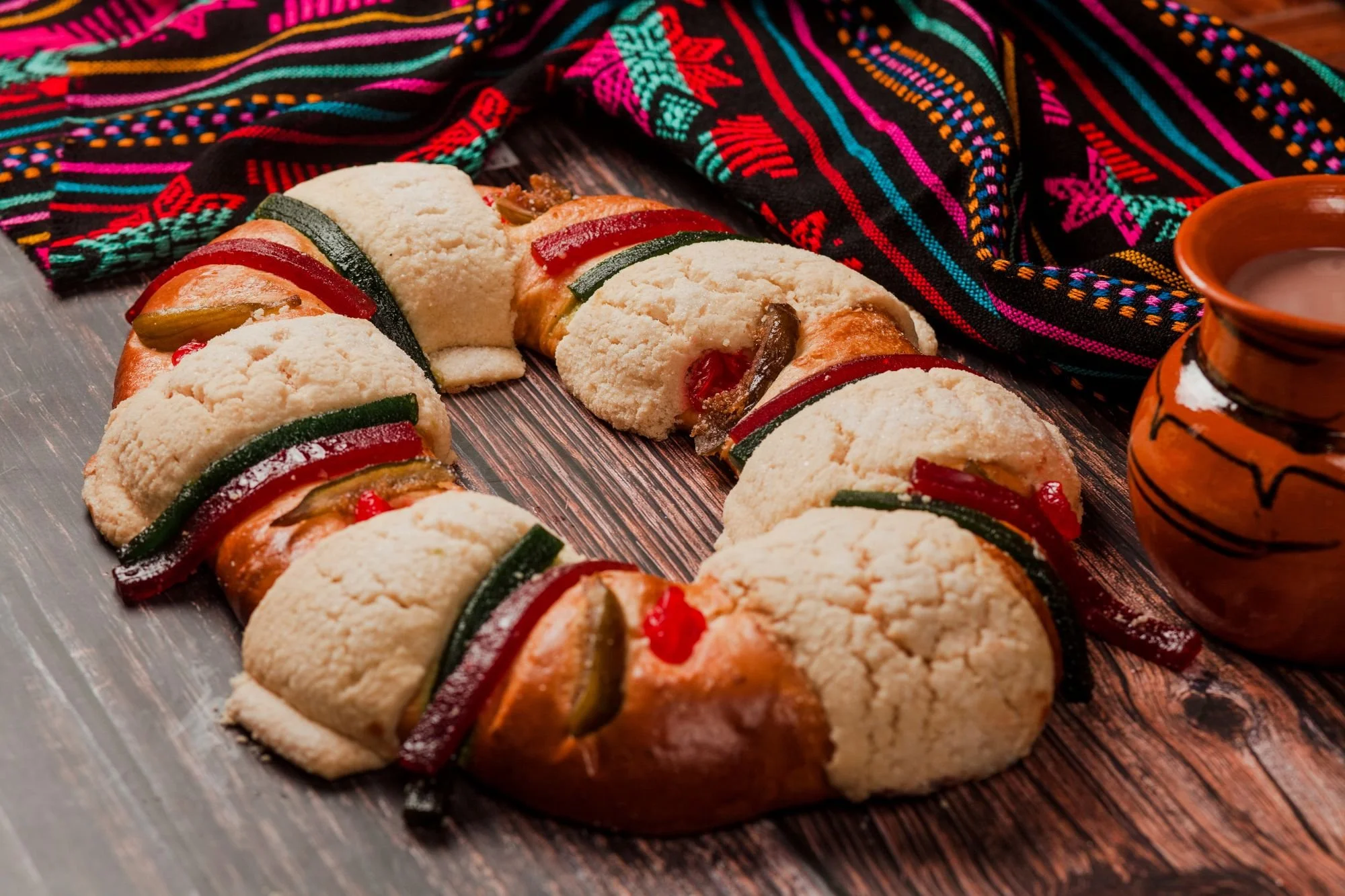
Rosca de Reyes, the festive crown-shaped bread enjoyed across Mexico and Latin America on Día de Reyes, decorated with candied fruits and served warm with hot chocolate.
If there’s one bread that instantly signals the end of the holiday season in Mexico, it’s the Rosca de Reyes. Shaped into a crown and decorated with jewel-like strips of candied fruit, this lightly sweet, airy bread is shared on January 6th to celebrate Día de Reyes. Beneath its bright toppings and sugar-crusted surface, Rosca carries a sense of community and celebration — it’s meant to be sliced among friends and family, each person hoping (or secretly hoping not!) to find the tiny baby figurine hidden inside.
The dough itself is soft and enriched, gently scented with orange blossom, cinnamon, or citrus zest. Every bakery has its own style: some add thick sugar bands, others pack on the fruit, and modern versions sometimes include fillings like cream cheese or chocolate. But the heart of the tradition stays the same — Rosca de Reyes is all about gathering, sharing, and carrying one last spark of holiday magic into the new year.
Inspiration for home bakers:
The flavors — citrus, vanilla, warm spices — show up beautifully in things like cookies, sweet rolls, or even a holiday muffin. It’s also a reminder that food brings people together in joyful, interactive ways.
Stollen — Germany
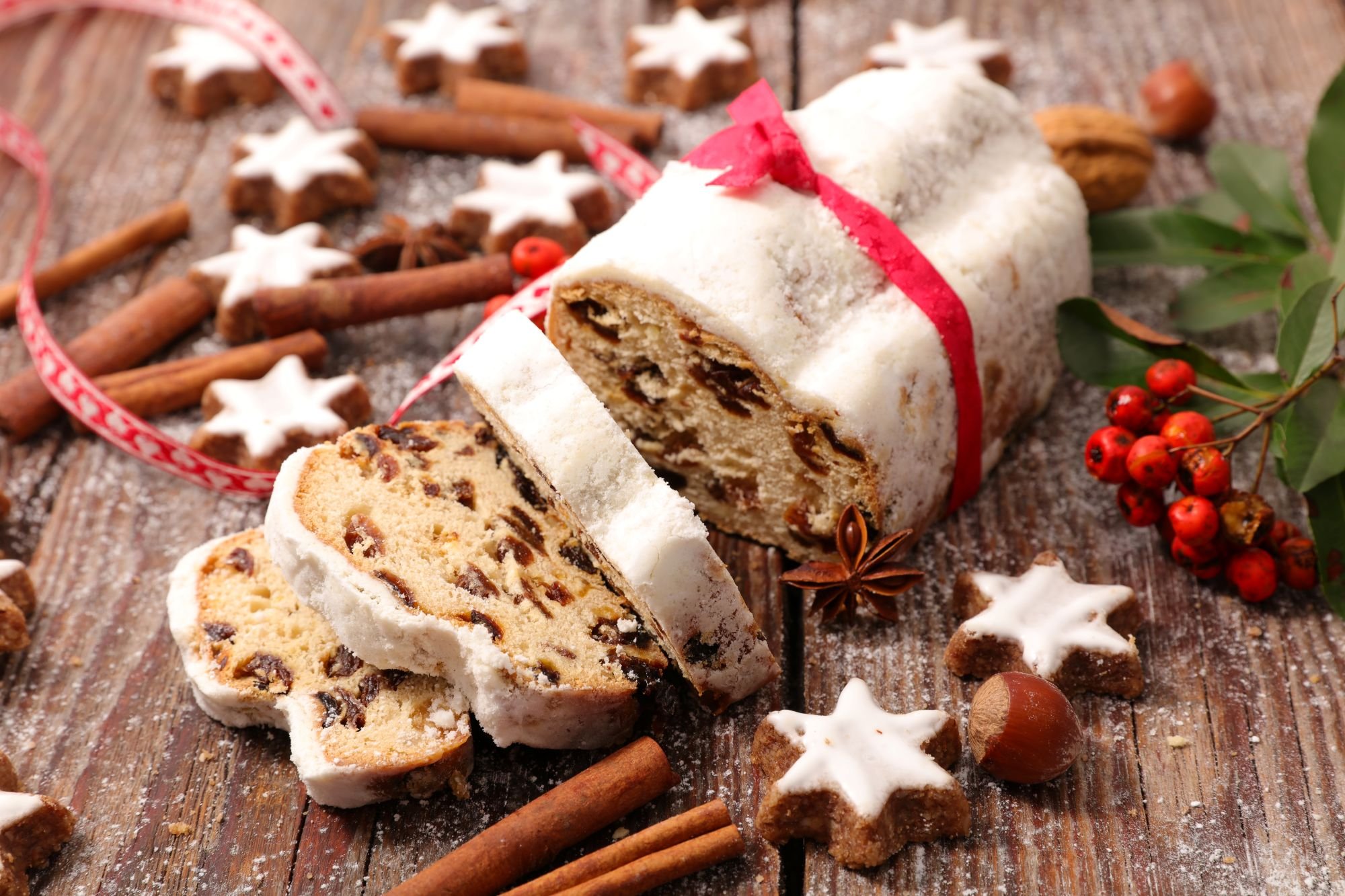
German stollen, the buttery fruit-filled Christmas bread dusted in powdered sugar, served with spices and cookies for a classic holiday spread.
Germany’s beloved Stollen is one of the oldest and most recognizable Christmas breads, a holiday staple that feels both rustic and luxurious. Dense yet tender, Stollen is packed with dried fruits, toasted nuts, warm spices, and often a ribbon of marzipan running through the center. Once baked, the loaf is generously brushed with butter and coated in a snowy layer of powdered sugar — a finish that gives it its iconic wintery look.
Stollen is traditionally enjoyed throughout Advent, sliced thin and served with coffee or mulled wine. Each region has its own spin: the famous Dresdner Christstollen is rich and buttery, while other versions lean more heavily into citrus, rum-soaked fruit, or almond flavor. What they all share is a sense of heritage. Stollen isn’t just a bread — it’s a symbol of warmth during the coldest months, something families look forward to year after year.
Whether you prefer a classic loaf or one filled with marzipan, Stollen brings a comforting, old-world charm to the holiday table.
What it teaches:
Stollen leans into richness and spice. Even if you don’t make it, the idea of warming spices + citrus + dried fruit can inspire everything from breakfast breads to festive banana bread variations.
Krantz Cake / Chocolate Babka — Jewish Tradition
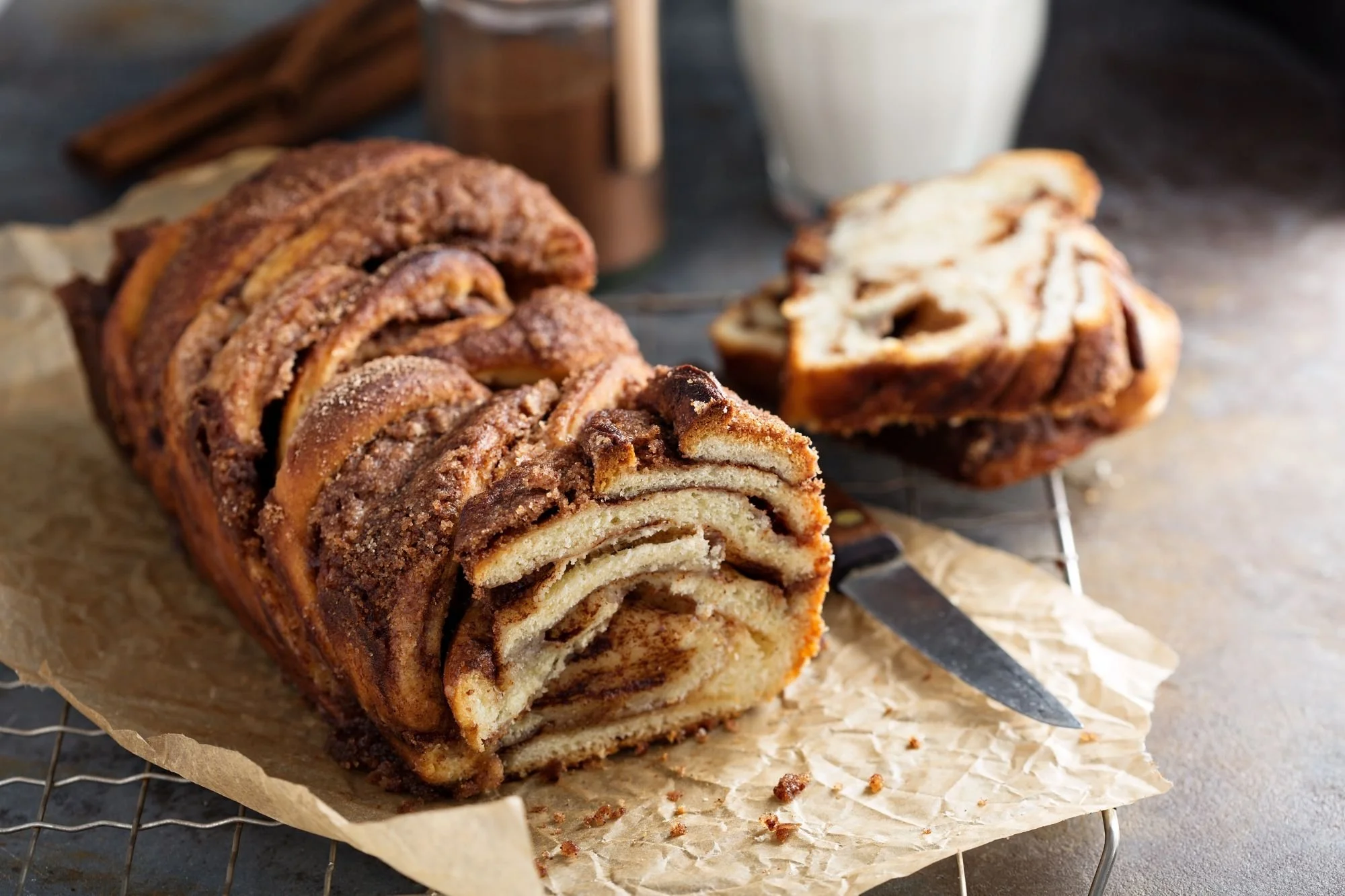
Chocolate babka, the rich, swirled holiday loaf layered with cinnamon and chocolate, perfect served warm with a glass of milk.
Few holiday breads are as striking or indulgent as chocolate babka. With its glossy, deeply twisted layers of enriched dough and rich chocolate filling, babka is as beautiful as it is delicious. Each slice reveals ribbons of chocolate, cinnamon, or both — a pattern that feels festive all on its own.
Babka has roots in Jewish communities across Eastern Europe, though today it's enjoyed everywhere, especially during winter holidays when warm, comforting breads take center stage. The dough is soft and slightly sweet, enriched with eggs and butter, while the filling can range from dark chocolate to Nutella-style spreads or cocoa-sugar swirls. Some versions are topped with a crumbly streusel, giving each bite an extra layer of texture.
Served warm with coffee or as a holiday gift, chocolate babka brings together tradition, artistry, and pure cozy indulgence — the kind of bread that feels special even before the first slice is cut.
Takeaway:
Twists, swirls, and layered flavors are approachable. You can borrow that concept for rolls, loaf cakes, or simple flavored doughs.
Kūčiukai — Lithuania
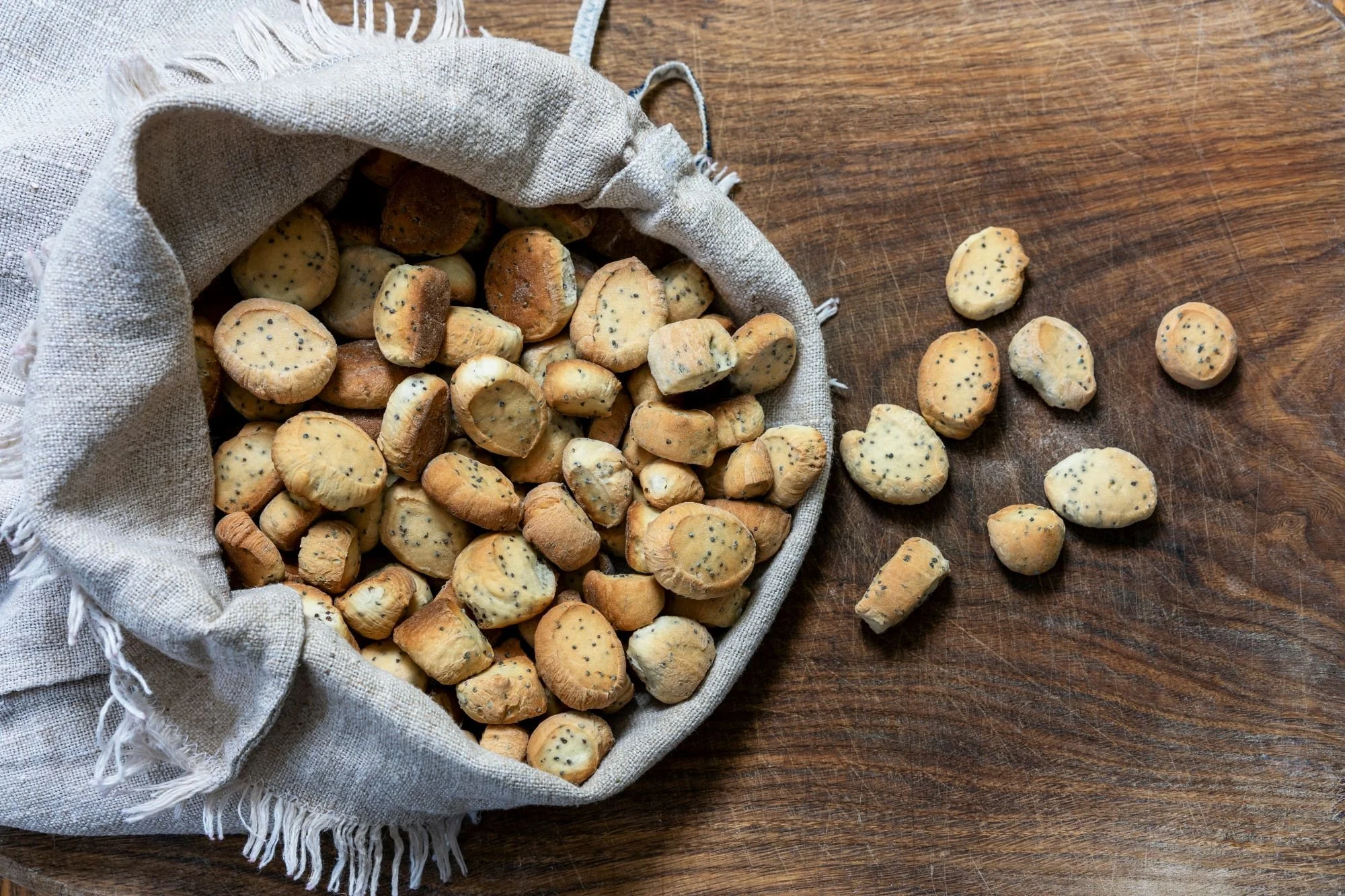
Kūčiukai, the tiny poppy seed bread bites traditionally served during Lithuania’s Kūčios Christmas Eve feast, often enjoyed with warm poppy seed milk.
In Lithuania, Christmas Eve (Kūčios) is one of the most important celebrations of the year — and at the center of the table, you’ll almost always find kūčiukai.
These tiny, lightly sweetened poppy-seed biscuits are completely different from the rich, swirled holiday breads found in many other European traditions. Instead, kūčiukai are simple, humble, and symbolic, made from an unsweetened dough enriched only with oil or a touch of milk, then baked into small, crunchy nuggets.
They’re traditionally served with poppy seed milk, a creamy, naturally dairy-free mixture of ground poppy seeds, warm water, and a little honey. The combination tastes nostalgic, earthy, and unique — a texture and flavor that’s deeply tied to Lithuanian culture.
Baking insight:
Poppy seeds add texture and depth, and the theme of gentle sweetness pairs beautifully with the kind of everyday baked goods many home bakers enjoy.
Cozonac — Romania & Bulgaria
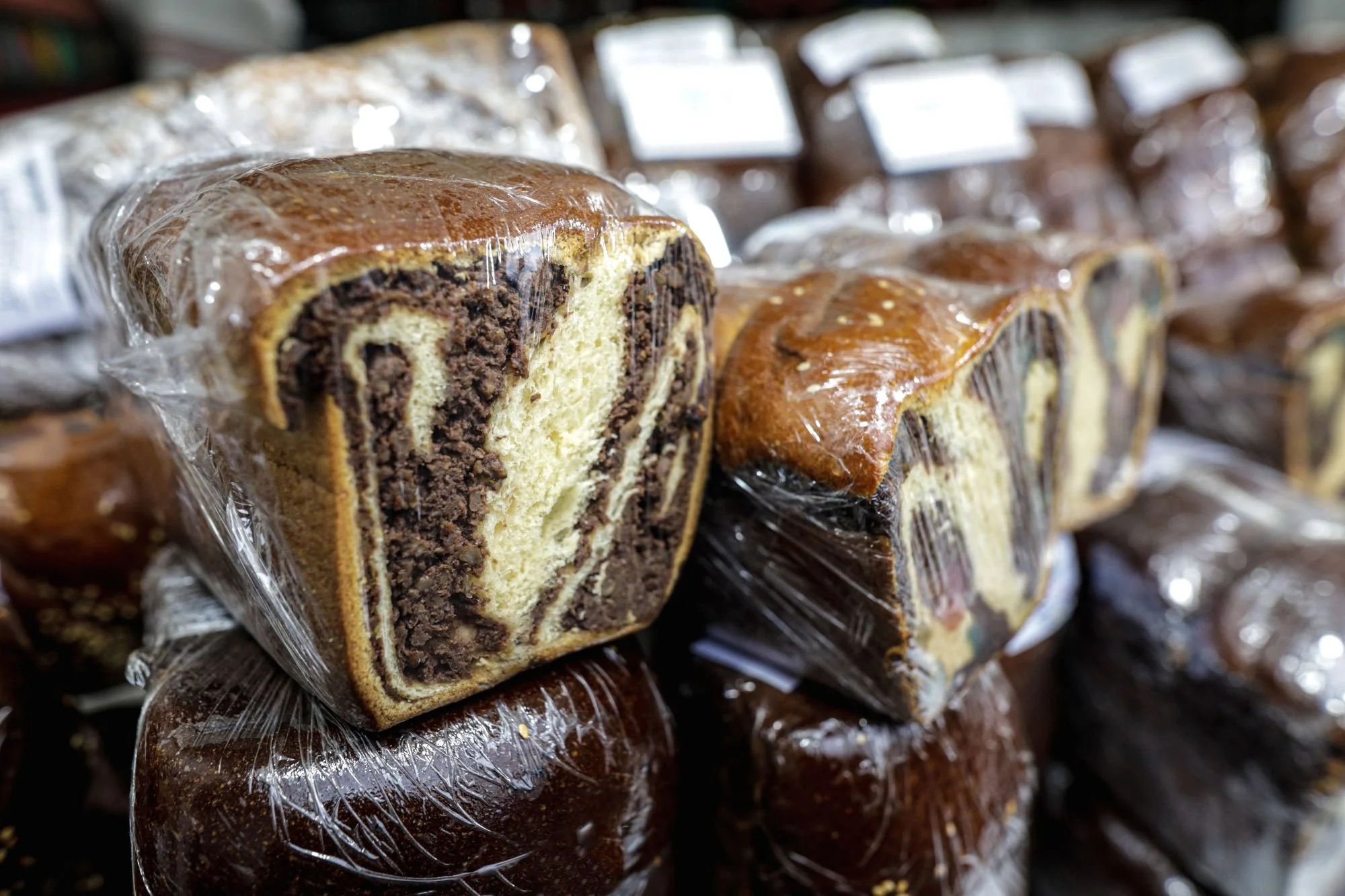
Cozonac cu mac, the Romanian holiday sweet bread swirled with poppy seed filling, often sold in neatly wrapped loaves at winter markets.
Cozonac is the star of holiday baking in Romania and Bulgaria, a celebratory sweet bread that fills homes with the scent of vanilla, citrus, and warm yeast every Christmas. At its core, cozonac is an enriched dough — soft, golden, and beautifully tender — but the real magic comes from its fillings. Depending on the region or family tradition, you’ll find cozonac swirled with walnut paste, cocoa, rum-soaked raisins, or finely ground poppy seeds. Some versions are braided and topped with almonds, while others are rolled into tight spirals baked in loaf pans.
No matter the shape, cozonac is a bread meant for sharing. It’s typically sliced and enjoyed with coffee on Christmas morning, offered to guests during the holiday season, or wrapped as a homemade gift. Every household has its own version, passed down from grandparents or perfected over years, which is part of what makes cozonac so beloved. Rich, fragrant, and full of tradition, it captures the spirit of warmth and generosity at the heart of winter celebrations.
Why it’s inspiring:
Cozonac is a reminder of how versatile enriched doughs can be — a theme that shows up in everything from cinnamon rolls to soft dinner rolls.
Pulla — Finland
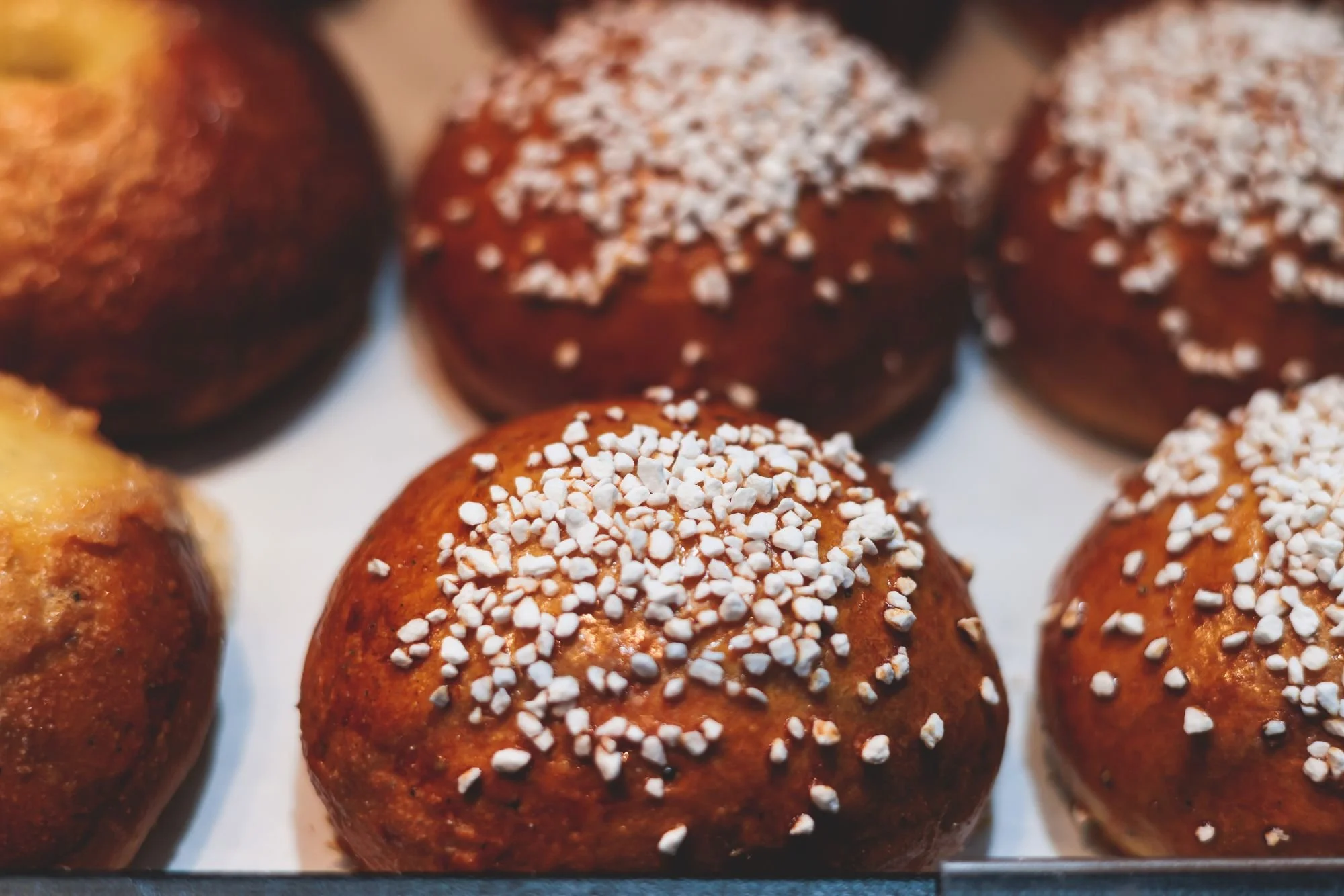
Soft, lightly sweet Finnish pulla buns sprinkled with pearl sugar — a classic cardamom bread served during the holidays.
Finland’s beloved pulla is a gently sweet, cardamom-scented bread that feels like pure comfort during the long winter months. The dough is soft and enriched, flavored with crushed cardamom pods that give pulla its signature aroma — warm, floral, and instantly recognizable. While pulla can be shaped into many forms, from simple knots to festive braids, the most iconic versions are brushed with egg wash and sprinkled with pearl sugar for a soft crunch.
Pulla isn’t tied to just one holiday, but it’s especially cherished during Christmastime, often served with coffee or hot cocoa as families gather indoors. Some households make braided loaves to slice and toast, while others bake small buns to enjoy warm from the oven. No matter the shape, pulla brings a cozy, welcoming energy to winter baking — the kind of bread that makes the whole kitchen smell like the holidays.
Home baking angle:
Cardamom is having a moment. If you’ve never used it in muffins, banana bread, or cookies, the holidays are a perfect time to experiment.
Tsoureki — Greece
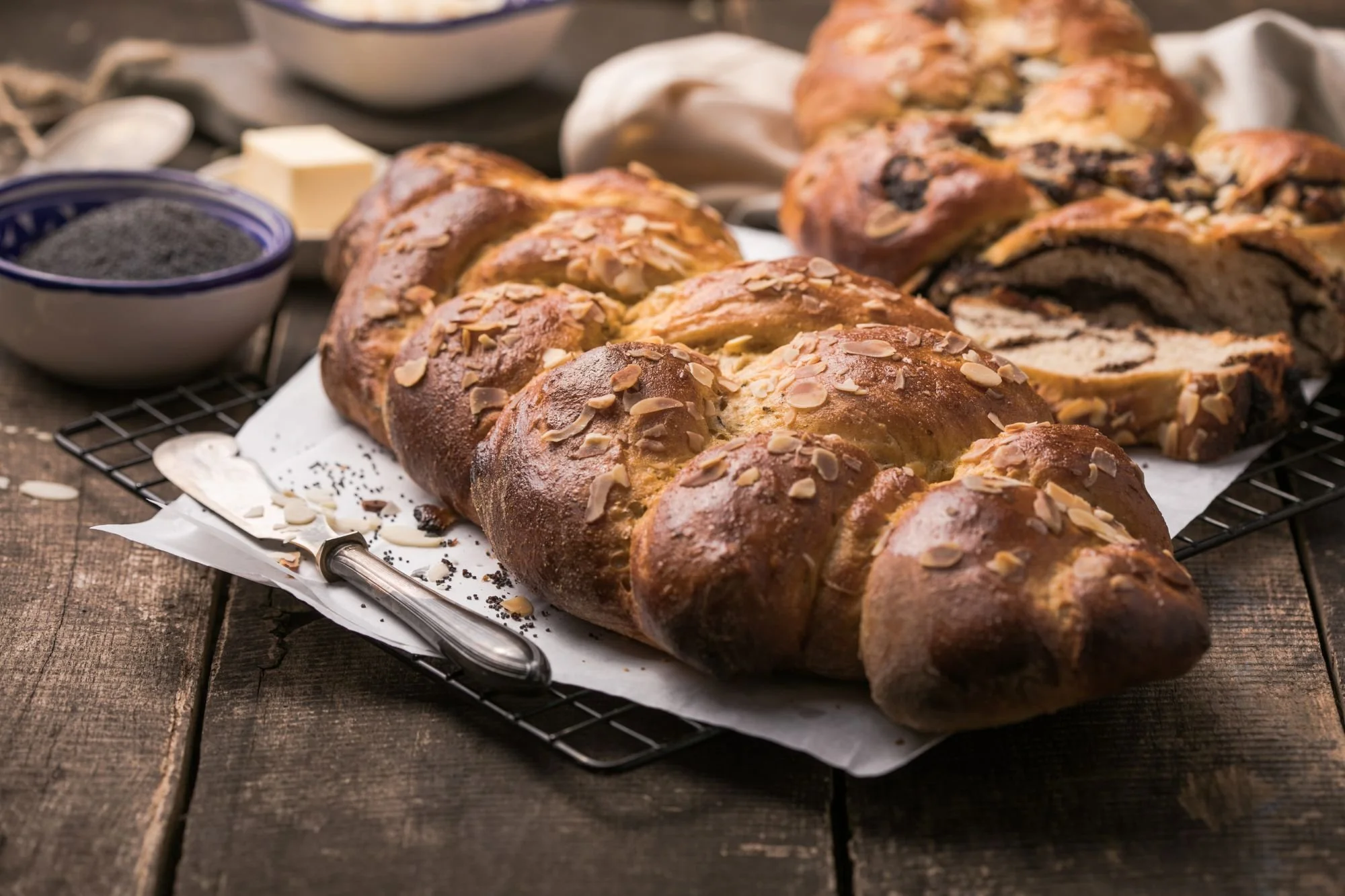
Tsoureki, the glossy, braided Greek holiday bread scented with sweet spices and topped with sliced almonds, enjoyed during festive winter celebrations.
Tsoureki is Greece’s beautifully braided holiday bread, known for its glossy crust, pillowy crumb, and fragrant spices. Made with an enriched dough flavored with orange zest and traditional ingredients like mahleb (ground cherry pits) or mastic, tsoureki has a floral, citrusy aroma that sets it apart from other festive breads. Its three-strand braid symbolizes renewal and continuity, making it a meaningful bread for winter celebrations.
While tsoureki is enjoyed throughout the year, it takes on a special place during the holidays, often gifted to friends or shared as part of larger gatherings. Some versions are topped with slivered almonds, while others are filled with chocolate or enjoyed plain, letting the delicate spices shine. Soft, slightly sweet, and beautiful on the table, tsoureki brings a sense of warmth and tradition to the season.
Takeaway:
Orange zest is one of the most powerful, accessible ways to transform holiday bakes — from cakes to muffins to morning breads.
Pan de Pascua — Chile
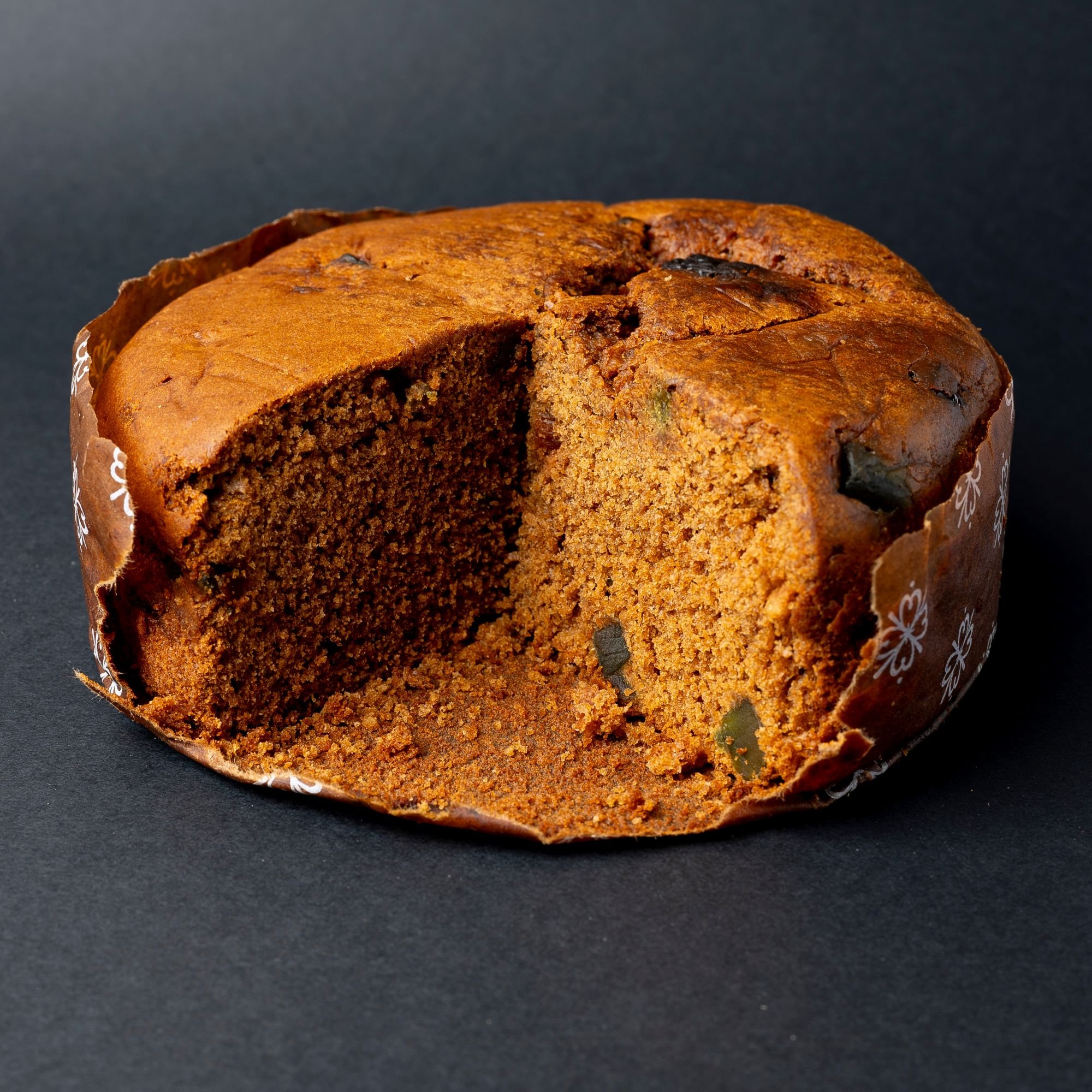
Pan de Pascua, Chile’s warmly spiced holiday bread-cake, filled with dried fruits and nuts and traditionally enjoyed throughout the Christmas season.
Chile’s traditional Pan de Pascua is a richly spiced holiday bread-cake that brings together the comforting flavors of Christmas in every slice. Unlike lighter, fluffier holiday loaves, this one leans into a denser, fruit-studded texture — more like a warmly spiced cake than a bread. It’s typically filled with dried fruits, candied peel, nuts, honey, and warm spices like ginger and clove, creating a cozy, aromatic loaf that feels right at home during December festivities.
Pan de Pascua is often enjoyed alongside Cola de Mono, a sweet, spiked holiday drink similar to a lighter, coffee-scented eggnog. Together, the pairing is a Chilean holiday classic. Whether served as a dessert, an afternoon treat, or a festive gift, Pan de Pascua brings a uniquely Latin American warmth to the holiday season — comforting, fragrant, and full of tradition.
Inspiration:
This is essentially a cozy winter spice cake. If you love adding cinnamon, ginger, or cloves to your baked goods, you’re pulling from this same flavor family.
Julekake — Norway
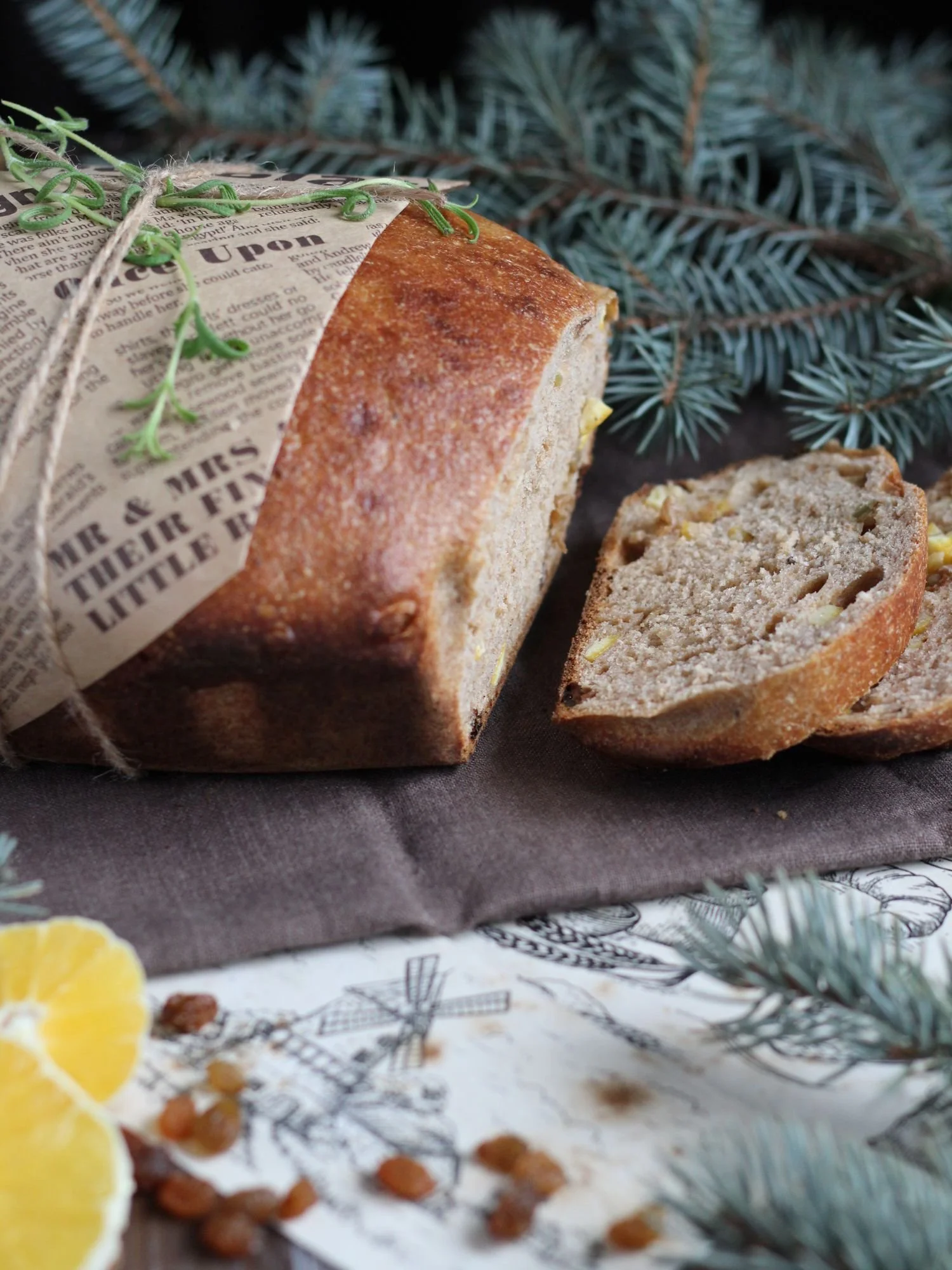
Julekake, Norway’s lightly spiced Christmas bread studded with raisins and citrus, wrapped simply and served with cozy winter flavors.
Norway’s Julekake is a cozy, fruit-studded Christmas bread that feels like winter tradition in loaf form. Made with an enriched dough scented with cardamom, Julekake is typically filled with raisins, candied citrus peel, and sometimes a touch of mixed spice. The result is a tender, lightly sweet bread that’s just as good sliced and buttered as it is toasted on a cold morning.
During the holiday season, Julekake is a staple at Norwegian family gatherings, often wrapped simply and shared as a homemade gift. Some versions are baked as round loaves, while others take on a more classic rectangular shape — but all carry the same sense of warmth and familiarity. With its soft crumb and gentle spice, Julekake brings a comforting Scandinavian touch to the Christmas table.
Baking connection:
Cardamom + fruit is a theme across Scandinavia. You can bring this flavor profile into simple loaves or muffins without the complexity of enriched doughs.
How to Bring Global Holiday Bread Traditions Into Your Baking
You don’t need to make panettone or stollen from scratch to enjoy their flavors. Here are a few simple ways to draw inspiration:
Add citrus zest to muffins, quick breads, or cookies
Swirl chocolate or cinnamon into rolls or loaf cakes
Fold in raisins, dried cranberries, or candied orange peel
Try cardamom in banana bread, oatmeal cookies, or sweet loaves
Use honey or brown butter for warmth and richness
Experiment with braiding, even on simple doughs
These small inclusions help capture the spirit of global holiday baking in ways anyone can enjoy. No multi-day doughs required!
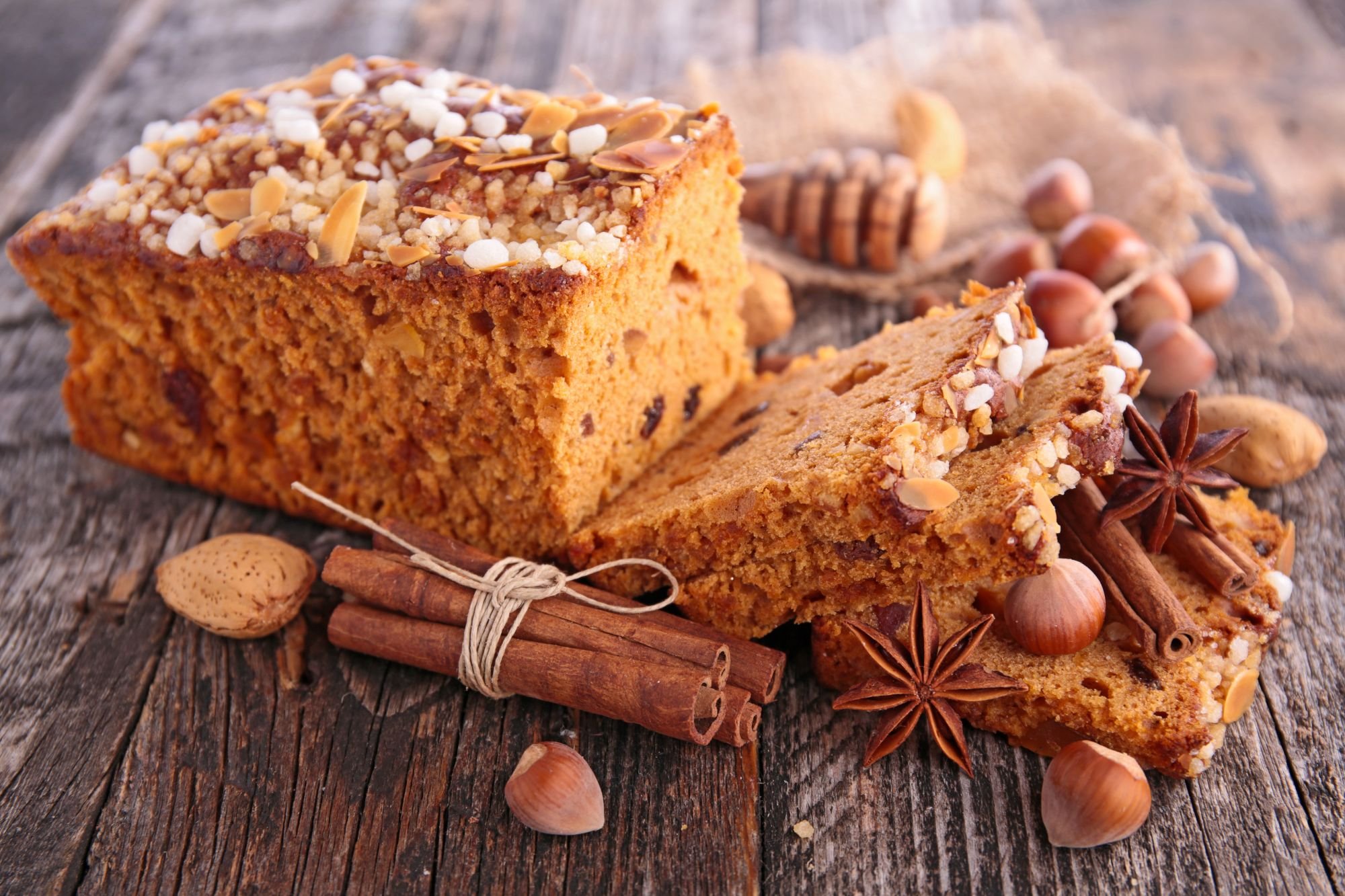
Across the world, holiday breads look different — but they all share the same spirit of comfort and joy.
Want to Bake Something Cozy Today?
If you’re feeling inspired but want something simple, start with some of the comforting, approachable bakes already on the site:
Banana Muffins
They’re not global holiday breads — but they bring the same sense of warmth, fragrance, and celebration to your kitchen.
Happy holidays, and happy baking!